Introduction
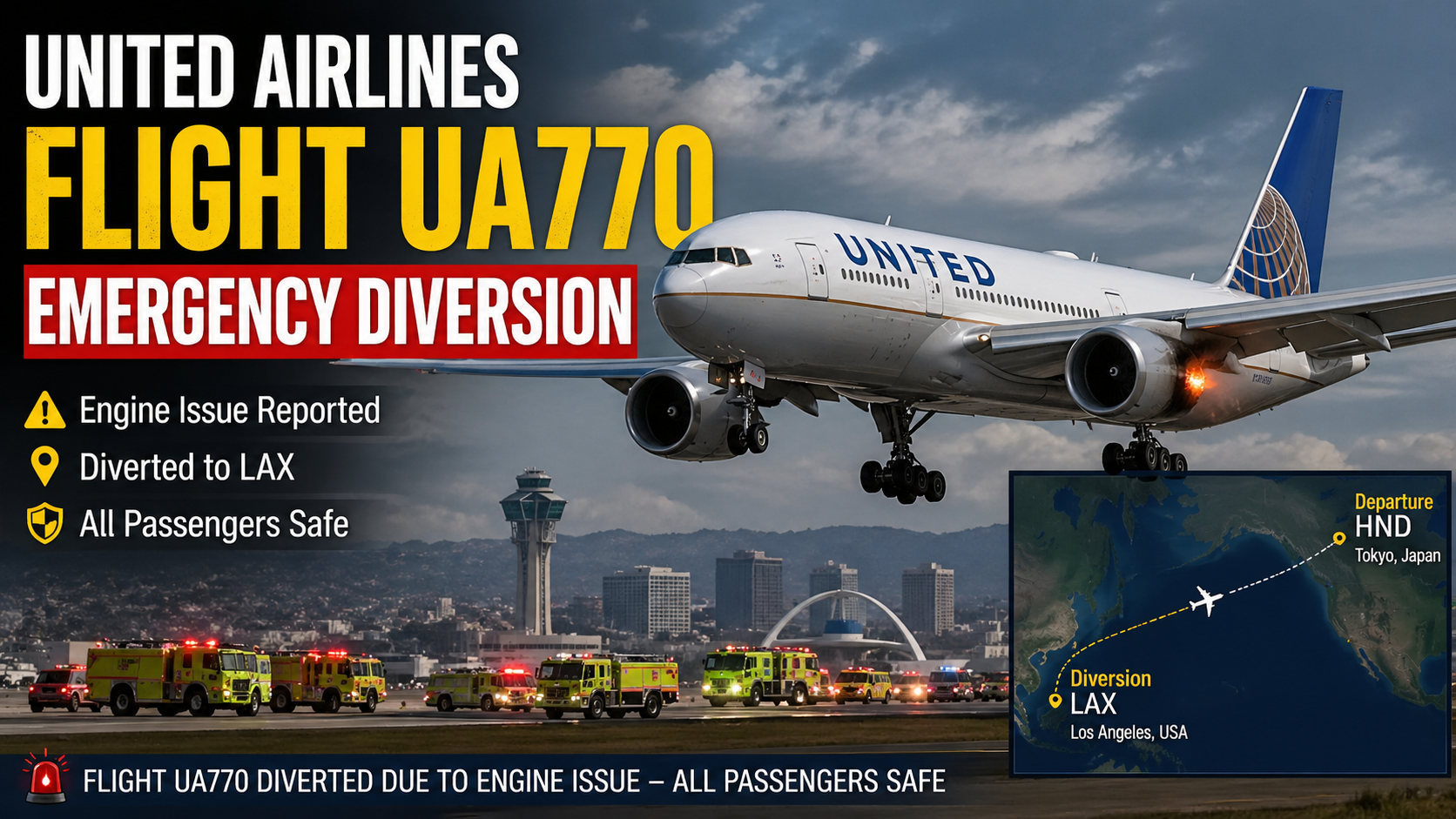
United Airlines Flight UA770, a routine commercial flight, was unexpectedly diverted due to an emergency during its journey. This incident grabbed the attention of many, raising questions about aviation safety protocols and the cause of such an emergency. This article delves into the specifics of the emergency diversion, the steps taken by the airline, and the lessons learned from the event. Through this investigation, we aim to uncover what happened, why it happened, and how the airline and crew managed the situation.
Understanding Emergency Diversions in Aviation
Before we dive into the specifics of United Airlines Flight UA770, it is essential to understand what an emergency diversion entails. Diversions are a standard procedure in aviation where a flight is redirected to a different airport due to safety concerns, technical issues, or adverse weather conditions. Emergency diversions are classified as those that are necessary due to an immediate risk to the safety of passengers, crew, or the aircraft itself.
Background of United Airlines Flight UA770
United Airlines Flight UA770 was scheduled to fly from its origin airport to its destination. The flight was operated on a state-of-the-art Boeing 777, known for its reliability and comfort. However, during its course, an emergency situation arose, necessitating a diversion. The aircraft had to land at an alternative airport, far from its original flight path.
The Triggering Incident: What Happened?
The triggering incident for the diversion of Flight UA770 is believed to have been a critical issue that could have posed a risk to the safety of the passengers and crew. While the specifics of the emergency have not been immediately disclosed, reports suggest a possible mechanical malfunction or a security threat, both of which are common reasons for diversions in commercial aviation. The article will explore each possibility in detail.
The Crew’s Role in Handling the Emergency
One of the key elements of any emergency diversion is the response of the flight crew. The pilots, who are highly trained for various emergency scenarios, play a crucial role in ensuring the safety of all passengers aboard. In the case of UA770, the flight crew was quick to assess the situation and make the necessary decisions to divert the flight safely. This section will discuss the training protocols, decision-making process, and how the crew worked alongside air traffic control to manage the situation effectively.
The Route and Airport Selection for Diversion
Choosing the right alternative airport is a critical decision during an emergency diversion. The diverted airport must be equipped to handle the emergency situation, whether it involves a mechanical malfunction, fuel issues, or medical emergencies. In this case, the aircraft was diverted to an airport equipped with the necessary facilities to handle large passenger aircraft. This section will discuss the criteria for airport selection during emergency diversions and why the selected airport was chosen.
Passenger Experience During the Diversion
For passengers on Flight UA770, the emergency diversion was a shocking and stressful experience. Many passengers were unaware of the severity of the situation, as airlines generally work to ensure that passengers are kept informed without causing undue panic. This section will explore the passenger experience, from the moment the emergency was announced to the eventual landing and the protocols followed afterward. It will also address how the airline ensured passenger comfort and safety during the diversion.
The Impact of the Diversion on United Airlines
Emergency diversions, while handled expertly by airlines, can have a lasting impact on the airline’s reputation. United Airlines, known for its excellent safety record, handled this particular diversion with professionalism. However, such incidents always raise questions about the causes and the airline’s response. This section will examine the long-term impact of the emergency diversion on United Airlines, including potential customer reactions, media coverage, and regulatory scrutiny.
Lessons Learned from the United Airlines Flight UA770 Emergency Diversion
Every emergency situation provides valuable lessons for both airlines and passengers. United Airlines Flight UA770’s diversion offers several key takeaways, from improving safety measures to refining emergency response protocols. This section will explore the lessons learned from the diversion and how they can be applied to future flights to enhance safety and minimize risk.
Conclusion: The Importance of Safety Protocols and Passenger Trust
In conclusion, while the emergency diversion of United Airlines Flight UA770 was undoubtedly an unsettling experience for everyone involved, it serves as a reminder of the importance of safety protocols in aviation. United Airlines, along with other carriers, continually trains its crew to handle such emergencies swiftly and effectively. Passengers’ trust in the airline’s ability to handle unforeseen situations is critical for the airline’s reputation. The event also highlights how, in an age of modern aviation, safety remains the top priority, and every effort is made to protect passengers and crew.
FAQs
- Why do flights get diverted?
- Flights can be diverted due to various reasons such as mechanical malfunctions, weather conditions, medical emergencies, or security concerns.
- How do pilots handle emergency diversions?
- Pilots are trained extensively to assess emergency situations quickly and make the best decision for the safety of the passengers and crew, including choosing an appropriate diversion airport.
- Is it common for flights to be diverted?
- While emergency diversions are relatively rare, they are a necessary safety measure in the aviation industry.
- How does an emergency diversion affect passengers?
- Passengers may experience anxiety or uncertainty during a diversion, but airlines work to ensure their comfort and provide updates during the situation.
- What happens after a flight diversion?
- After the flight lands at the diversion airport, passengers are typically assisted with rebooking, while the situation that caused the diversion is investigated.